
24/7 Emergency Testing(240) 595-5684

Residential Mold & VOC Inspection

  1. Home
  2. Services
  3. Residential Mold & VOC Inspection
1 Residential Mold & VOC Inspection SP

Schedule Residential Mold Inspection in Houston, TX, and Nearby Communities

Accurate mold and air quality testing helps homeowners detect hidden contamination and understand indoor environmental conditions.

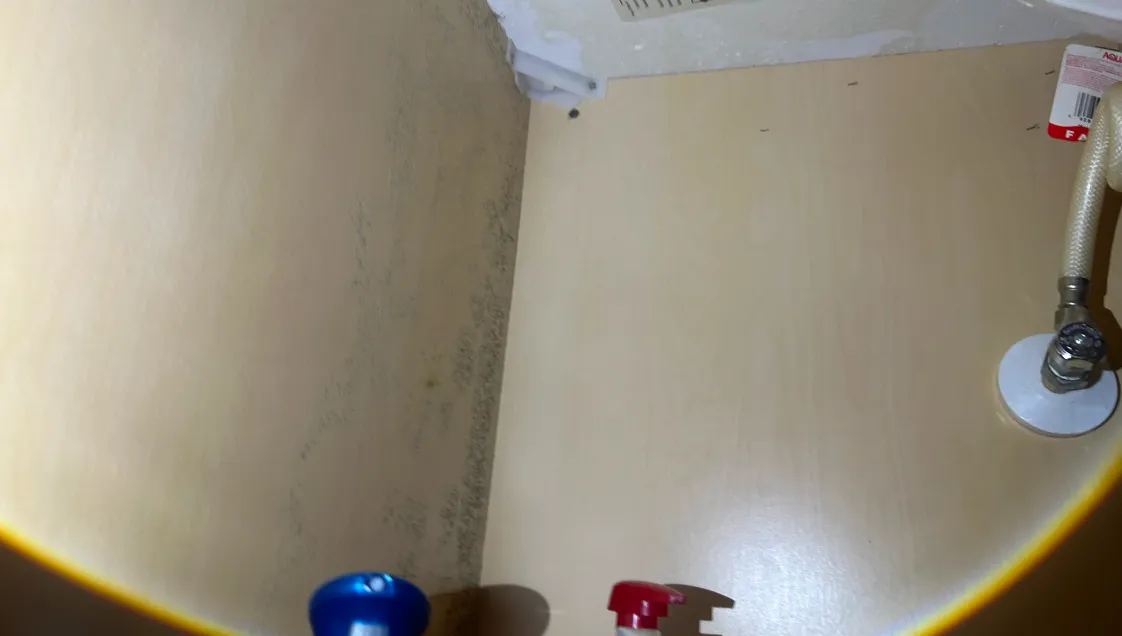
Hidden mold growth often develops long before visible signs appear. Moisture inside walls, ceilings, or flooring can create conditions where mold spreads quietly through building materials. Many homeowners first notice the problem through musty odors, health symptoms, or staining on surfaces. Without proper testing, it is difficult to determine whether mold is present or how far contamination may have spread.

Ignoring early signs can allow the situation to worsen. Mold spores can circulate through HVAC systems and settle in multiple areas of a home. Poor indoor air quality testing results may indicate elevated mold levels, which can contribute to respiratory irritation, headaches, or allergy symptoms for occupants. Water intrusion issues can also continue unnoticed without proper moisture evaluation.

At SuperMAC Environmental Solutions, our residential mold inspection process is designed to identify contamination sources and evaluate indoor conditions in detail. We conduct mold inspection service procedures that include visual assessment, air sampling, and surface testing when necessary. Many inspections also include VOC testing service analysis to identify chemical compounds that affect air quality. When elevated moisture is detected during the inspection process, additional moisture evaluation may be recommended to identify hidden leaks and prevent future mold growth. Our environmental inspection approach helps homeowners understand the condition of their property and take the next steps toward correcting the issue.

Detailed Testing That Reveals Mold and Air Quality Conditions

Mold contamination is rarely limited to the areas where it is visible. Spores can travel through airflow, settle on surfaces, and develop in areas that remain damp. A residential mold inspection should examine both visible conditions and hidden environmental factors that influence indoor contamination levels. Our inspection process includes multiple testing methods that help provide a clear picture of indoor conditions.

  • Visual Assessment: Our mold inspection service begins with a careful walkthrough of the property to identify visible growth, water staining, or environmental conditions that support mold development.
  • Air Sampling: Mold and air quality testing collect indoor air samples that are analyzed by an accredited laboratory. These samples help determine the types and concentrations of airborne spores present inside the property.
  • Surface Sampling: When suspected contamination is present on building materials, surface samples can confirm whether mold colonies are actively growing in those areas.
  • VOC Evaluation: A VOC testing service measures volatile organic compounds released from building materials, cleaning products, or microbial activity. These gases can influence indoor air quality and contribute to occupant discomfort.
  • Moisture Detection: Hidden water intrusion is one of the primary causes of mold growth. Moisture detection inspection techniques may be used to locate damp building materials that create favorable conditions for mold development.

By combining several testing approaches, homeowners gain accurate information about mold conditions and indoor environmental factors that affect their property.

Take Control of Indoor Environmental Conditions

Addressing mold concerns starts with accurate information. When homeowners understand the extent of contamination and the conditions that allowed it to develop, corrective action becomes more effective. A residential mold inspection provides the data needed to guide cleaning, repairs, or remediation work while helping property owners avoid unnecessary guesswork.

After testing is completed, results are compiled into a detailed report that outlines findings and recommended next steps. Laboratory analysis identifies mold species present in air or surface samples. If moisture conditions contributed to the contamination, addressing the source of water intrusion becomes an important step toward preventing future mold growth. In some cases, further evaluation of building materials or environmental toxins may also be recommended to fully understand indoor environmental conditions.

SuperMAC Environmental Solutions works with homeowners, landlords, and property managers across Houston, TX, to evaluate indoor contamination concerns. Whether the issue involves mold growth, air quality concerns, or suspected environmental hazards, our residential mold inspection services help identify the source of the problem and guide the path toward correction. By combining mold and air quality testing with environmental inspection techniques, property owners gain the information needed to protect the safety of their indoor environment.

Frequently Asked Questions About Residential Mold Inspection
  • What does a residential mold inspection include?

    A residential mold inspection typically includes a visual assessment of the property, air sampling for mold spores, and surface testing when contamination is suspected. These tests help determine indoor mold levels and identify possible sources of moisture.

  • When should homeowners schedule mold testing?

    Mold inspection is recommended after water damage, persistent musty odors, visible mold growth, or when occupants experience unexplained allergy or respiratory symptoms inside the home.

  • How long does mold testing take?

    Most inspections take one to two hours, depending on the size of the property. Laboratory analysis of samples usually takes several days once testing is completed.

  • Can mold grow without visible signs?

    Yes. Mold often develops behind walls, under flooring, or inside ventilation systems where moisture accumulates. Testing helps identify hidden contamination that cannot be seen during a routine visual inspection.

  • Is air quality testing different from mold testing?

    Air quality testing measures airborne particles and chemical compounds in indoor air, while mold testing focuses specifically on identifying mold spores and contamination sources.