
24/7 Emergency Testing(240) 595-5684

Residential Mycotoxin Testing

  1. Home
  2. Services
  3. Residential Mycotoxin Testing
4 Residential Mycotoxin Testing sp

Schedule Residential Mycotoxin Testing in Houston, TX, and Surrounding Cities

Residential mycotoxin testing identifies toxic compounds produced by certain mold species that may remain inside indoor environments.

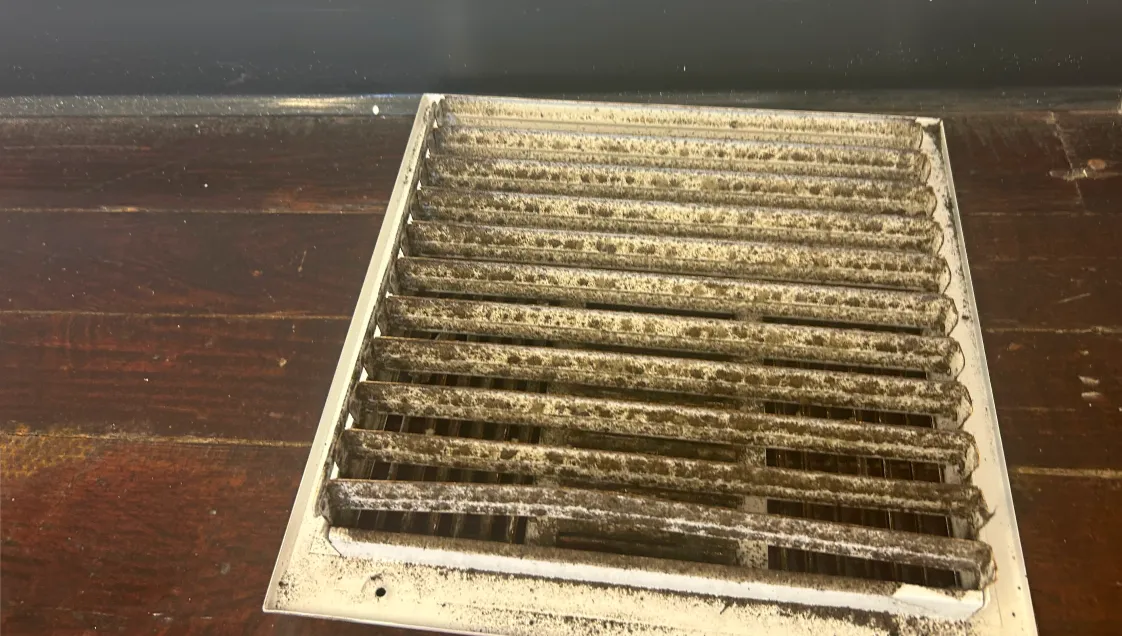
Mold contamination can affect indoor environments long after visible mold growth has been removed. Certain mold species release toxic compounds known as mycotoxins. These microscopic particles can settle into dust, surfaces, and building materials inside a home. Because they are invisible and odorless, homeowners often do not realize they remain present after cleanup efforts.

When mycotoxins remain inside indoor spaces, they may circulate through the airflow or settle in areas where dust accumulates. This can contribute to irritation, respiratory symptoms, headaches, or ongoing indoor air quality concerns for occupants. In many situations, traditional mold inspections identify fungal growth but do not determine whether mold toxins remain within the environment.

SuperMAC Environmental Solutions provides residential mycotoxin testing for homeowners throughout Houston, TX. Our testing process evaluates indoor contamination by collecting samples from air, dust, and surfaces when appropriate. Laboratory analysis identifies the presence of specific mold toxins through environmental toxin testing procedures. In situations where moisture problems contributed to mold growth, additional environmental inspection services may help locate hidden moisture sources so conditions that allow contamination to develop can be corrected.

Laboratory Analysis That Identifies Hidden Mold Toxins

Mycotoxin contamination cannot be confirmed through visual inspection alone. Indoor mycotoxin testing relies on specialized sampling procedures and laboratory analysis to determine whether toxins are present within a property. Our testing process gathers environmental samples that provide insight into indoor contamination levels.

  • Air Sampling Procedures: Air samples are collected to evaluate airborne contaminants that may indicate the presence of mold toxin particles circulating within indoor environments.
  • Dust Sample Collection: Dust samples often provide valuable information because mold toxins frequently accumulate within household dust and settled particles.
  • Surface Sampling Evaluation: When contamination is suspected on building materials or furnishings, surface samples may be collected to confirm the presence of mycotoxin residues.
  • Laboratory Analysis: Samples are analyzed through accredited laboratories that perform mycotoxin testing service procedures designed to detect specific toxins produced by mold species.
  • Detailed Reporting: Property owners receive a clear report outlining the testing results and identifying whether environmental toxin testing detected contamination.

This process provides homeowners with reliable information about indoor conditions that may otherwise remain unnoticed.

Address Environmental Toxin Concerns Inside Your Home

Identifying mold toxins inside a home helps homeowners understand potential environmental conditions affecting indoor spaces. When mycotoxin contamination is confirmed, addressing the underlying cause of mold growth becomes an important step toward restoring indoor air quality. Moisture intrusion, poor ventilation, and water damage are common factors that contribute to mold development.

After testing is completed, homeowners receive detailed laboratory results explaining which toxins were identified and where they were detected. This information helps determine whether further remediation work may be required. In situations where mold growth may still be present, additional inspection procedures may be recommended to identify the contamination source. Environmental testing can also help evaluate indoor air quality conditions and determine whether microbial activity continues within the property.

SuperMAC Environmental Solutions works with homeowners, landlords, and property managers across Houston, TX, to identify hidden environmental hazards through residential mycotoxin testing. By combining indoor mycotoxin testing with environmental inspection services, property owners gain the information needed to address contamination concerns and maintain healthier indoor environments.

Frequently Asked Questions About Residential Mycotoxin Testing
  • What are mycotoxins?

    Mycotoxins are toxic compounds produced by certain mold species. These toxins can remain in indoor environments even after visible mold growth has been removed.

  • When should homeowners consider mycotoxin testing?

    Mycotoxin testing is often recommended when mold contamination has been present, when indoor air quality concerns persist, or when occupants experience unexplained environmental symptoms.

  • Is mycotoxin testing different from mold testing?

    Yes. Mold testing identifies fungal spores and growth, while mycotoxin testing detects toxins produced by mold that may remain in indoor environments.

  • How long does mycotoxin testing take?

    Sample collection typically takes one to two hours, depending on the property size. Laboratory analysis generally requires several business days.

  • Can mycotoxins remain after mold removal?

    Yes. Mold toxins can remain within dust, surfaces, or building materials even after visible mold has been removed, which is why testing may be recommended.